

Horse Sun Protection Essentials: Horse UV Protection Tips
Sun protection for horses is a must. Horses spend a lot of time outdoors. The sun can cause serious damage to their skin and eyes. I want to share simple, effective ways to keep your horse safe. These tips help prevent sunburn, skin cancer, and discomfort. Let’s dive into the best horse UV protection tips.
Why Sun Protection Matters for Horses
Horses have sensitive skin. Some breeds and colours are more prone to sun damage. Pink skin, white markings, and thin coats are especially vulnerable. Sunburn can cause redness, peeling, and pain. Over time, it can lead to skin cancer. Protecting your horse from UV rays keeps them healthy and happy.
Sun exposure also affects their eyes. Horses can develop eye problems like squinting, watering, or even more serious conditions. Using sun protection reduces these risks. It’s not just about comfort - it’s about long-term health.
Top Horse UV Protection Tips
Here are my top tips to protect your horse from the sun:
1. Use Shade Whenever Possible
Provide natural or artificial shade in paddocks and yards. Trees, shelters, or shade cloths work well. Horses love to rest in the shade during peak sun hours (10 am to 4 pm). This simple step cuts down UV exposure a lot.
2. Apply Equine Sunscreen
There are sunscreens made specifically for horses. These products are safe and effective. Apply sunscreen to pink or white areas, especially on the nose, around eyes, and ears. Reapply every few hours if your horse sweats or after rain.
3. Use Fly Masks with UV Protection
Fly masks protect eyes and face from flies and sun. Choose masks with UV protection fabric. They block harmful rays while allowing your horse to see and breathe comfortably.
4. Cover Sensitive Areas with Rugs or Sheets
Lightweight, UV-blocking rugs or sheets shield your horse’s body. They are great for horses with thin coats or white markings. Make sure the rug fits well and is breathable to avoid overheating.
5. Limit Sun Exposure During Peak Hours
If possible, keep your horse indoors or in shaded areas during the hottest part of the day. Early morning and late afternoon are safer times for turnout.
6. Regularly Check Your Horse’s Skin
Look for signs of sunburn or irritation. Early detection helps prevent serious problems. If you notice redness, peeling, or sores, consult your vet.

Choosing the Right Products for Your Horse
Not all sun protection products are the same. Here’s what to look for:
Sunscreen: Choose a product labelled safe for horses. Avoid human sunscreens with zinc oxide or chemicals that can irritate. Look for broad-spectrum protection against UVA and UVB rays.
Fly Masks: Pick masks with UV protection and good ventilation. They should fit snugly but not rub.
Rugs and Sheets: Lightweight, breathable fabrics with UPF ratings are best. Avoid heavy rugs in hot weather.
Always test new products on a small skin patch first. Watch for any allergic reactions.
How to Apply Sunscreen Correctly
Applying sunscreen to a horse is different from humans. Here’s how I do it:
Clean the area first. Dirt or sweat can reduce effectiveness.
Use a generous amount on pink or white skin areas.
Spread evenly with your hands or a soft cloth.
Avoid the eyes and inside the ears.
Reapply every 4-6 hours or after rain or heavy sweating.
Remember, sunscreen is just one part of the protection plan. Combine it with shade and fly masks for best results.

Extra Tips for Sun-Sensitive Horses
Some horses need extra care. Here’s what I recommend:
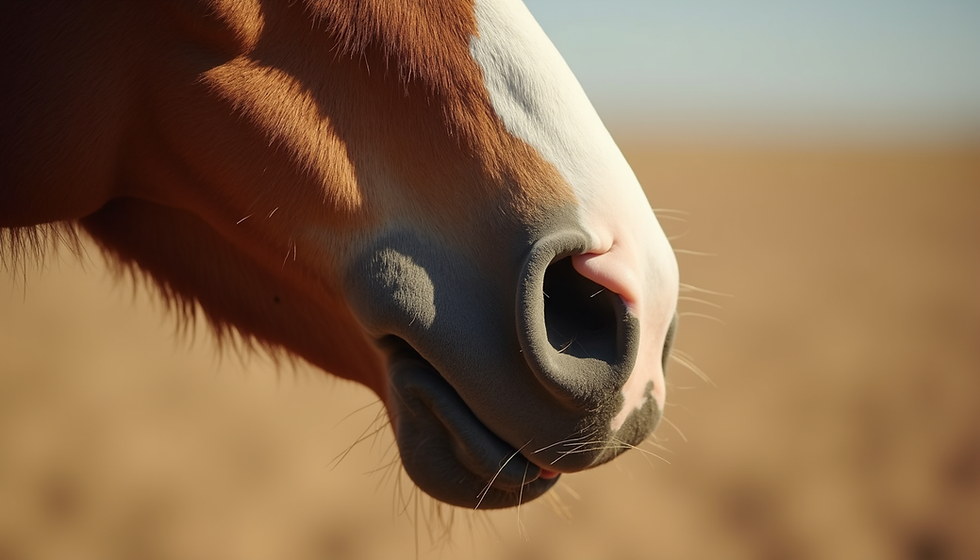
Horses with white faces or pink noses: These areas burn easily. Use sunscreen and fly masks daily.
Older horses: Their skin thins with age. Increase protection efforts.
Horses with skin conditions: Consult your vet for special products or treatments.
Horses in hot climates: Use cooling sprays and ensure plenty of water and shade.
For more detailed advice, check out this horse sun care guide.
Keeping Your Horse Comfortable and Safe
Sun protection is about comfort too. A horse that feels good performs better. Here are some comfort tips:
Provide fresh water at all times.
Use fans or misters in stables during hot days.
Groom regularly to remove sweat and dirt.
Monitor behaviour for signs of heat stress or discomfort.
By combining sun protection with good care, your horse stays happy and healthy all year round.
Final Thoughts on Horse Sun Protection Essentials
Sun protection is simple but vital. Use shade, sunscreen, fly masks, and rugs to keep your horse safe. Check their skin often and adjust care based on their needs. Protecting your horse from UV damage prevents pain and serious health issues.
Remember, sun protection is a daily habit. Make it part of your routine. Your horse will thank you with better health and comfort.
Stay safe and keep your horse shining - not burning!

Comments